If you’ve been in the marketing world long enough, you already know we’ve been moving toward automation for years. But in 2025, it’s clear that we’ve entered a new phase—where digital marketing isn’t just automated, it’s intelligently personalized, hyper-targeted, and increasingly run by machines that can think faster than we can.
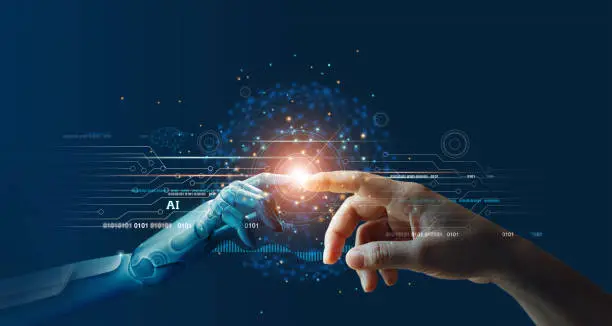
But here’s the thing: machines don’t build trust—people do.
So yes, the tools we’re using in 2025 are smarter than ever. But the best digital marketers today are the ones who know how to blend the power of AI with the authenticity of real human connection.
Let’s break down How AI is changing digital marketing in 2025
AI is Everywhere—But That Doesn’t Mean You’re Replaced
We’re not in the “robots are taking our jobs” phase anymore. We’re in the “robots are helping us do our jobs better” phase.

Marketers are using AI daily for:
Generating content outlines and ideas
Analyzing thousands of data points instantly
Recommending when to post, where to post, and who to target
Writing subject lines, captions, and even product descriptions
Predicting which users are likely to buy (and when)
But even with all of that power, none of it works without your strategy, judgment, and creativity. The tools are just tools. You’re still the driver.
Personalization at scale, AI changing digital marketing in 2025 with real-time relevance
A few years ago, using someone’s first name in an email felt advanced. Now? That’s considered bare minimum.
In 2025, privatization is about real -time relevance. This means who is not only someone, but what they want right now, and when they interact with your brand, they are feeling how they are feeling.
Let’s say a user browses your skincare website at 10 PM. They look at acne products and spend time reading reviews. Your AI system notes the behavior, checks their past activity, and instantly adapts the homepage the next time they visit. It also triggers an email about sensitive-skin routines, written in a calm, reassuring tone.
That’s personalization at scale—and it’s changing the game.
Content Isn’t Dying—It’s Just Evolving
There’s this ongoing debate in marketing circles about whether AI will kill content creation. Here’s the truth: content isn’t going anywhere—but lazy content is.
AI in market research: real time consumer insight
AI is now changing how we understand consumers. Instead of waiting for weeks for surveys and focus groups, the brand is using machine learning to analyze in 2025:
- Social media spirit
- Product review trends
- Discussion on stage
- Rival movement
These devices provide real -time market insights, help the abolition to faster the axis, highly highlight opportunities, and predict consumer behavior before this happens.
This means low estimate – more accuracy.
In 2025, AI tools can help generate quick drafts, repurpose material, and even translate across languages. But real content that resonates with people still needs a human touch. Why? Because we write with context, emotion, and originality. Machines are getting better, sure, but they can’t fully replicate the nuance of storytelling.
So what should we do? Use AI for efficiency—idea generation, first drafts, formatting. But keep the human voice front and center. Your audience can feel the difference.
The Rise of Emotion-Based Marketing
Behavioral data used to be the gold standard. What people clicked on, when they clicked, how long they stayed. That stuff still matters, but now we’re layering in something deeper: emotional intent.
Thanks to advances in Artificial Intelligence, marketers in 2025 can analyze tone, sentiment, and emotional state using cues like browsing patterns, time spent, and even biometric data from wearables (yes, really).
This gives us a new way to connect. Not just “what product should we recommend?” but “what is this person feeling, and how can we help?”
Emotion-based segmentation is a growing field—and it’s bringing the human side of marketing back into focus.

Voice Search, Visual Discovery, and New Search Behaviors
People aren’t just typing into search engines anymore. They’re talking to voice assistants, using visual search, and asking more conversational queries than ever before.
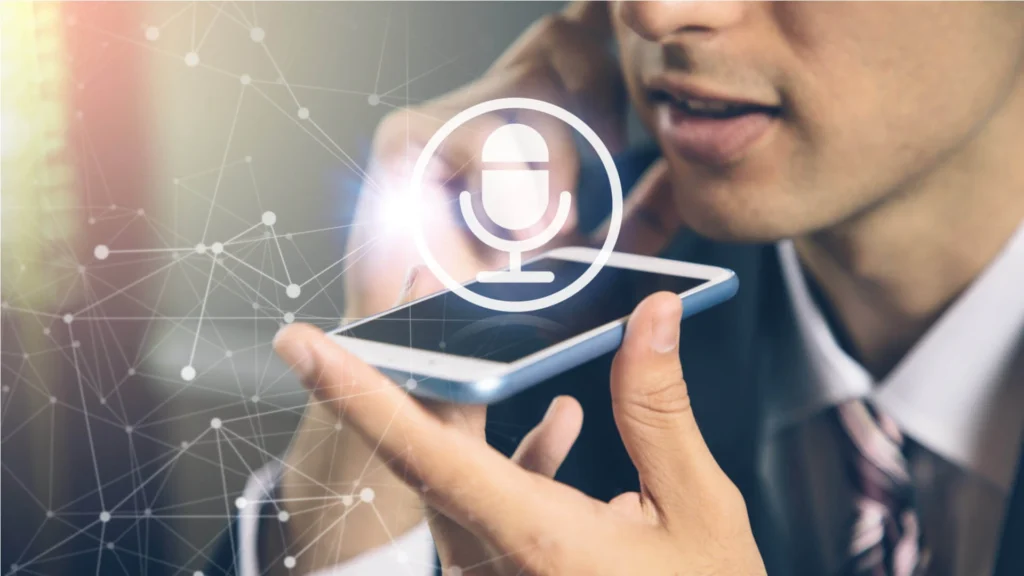
That means your SEO strategy in 2025 has to adapt.
You’re optimizing for:
- Long-tail, natural language questions
- Snippets and voice-read answers
- Images that can be indexed and understood by AI
- Local, hyper-personalized content experiences
This is where AI and human creativity need to team up. AI helps you spot search trends, but only humans can answer those queries in a way that’s truly helpful and brand-aligned.
Email Marketing Is Still King—But It’s Smarter
Email remains one of the highest-ROI channels in marketing. The difference in 2025 is how smart it’s become.
We now have tools that:
- Automatically send at the best time for each user
- Adjust email content based on behavioral and emotional data
- Personalize CTAs depending on user stage in the funnel
- Create entire flows triggered by micro-actions (like hovering on a CTA)
But even with all the automation, what makes emails work is the voice, the offer, the value—and the trust. That’s why the best marketers are still hands-on with their messaging. Automation is the vehicle. You’re still the driver.
Customer Journey Mapping is Real-Time and Dynamic
Forget static funnels. In 2025, customer trips are dynamic, individual and frequent adapted.
AI tracks how users move across channels—Instagram, email, website, chatbot, video—and uses that data to deliver the right message at the right time.
Someone might watch 80% of a YouTube video, then bounce to your site, read two blogs, and leave. Based on that journey, AI might identify them as someone in research mode—and serve up a “Getting Started” guide via email.
The human marketer’s job is to design the decision architecture—what content to show, where to send someone next, how to nudge without overwhelming.
That’s not just marketing—it’s psychology in action.
Ethics and Privacy in the Age of Personalization
Let’s be real: personalization at this level raises privacy concerns. And in 2025, consumers are more aware and protective of their data than ever before.
You can’t just collect and use data—you need to be transparent, ethical, and responsible.
The best brands are the ones that:
- Explain exactly what data is collected and why
- Offer easy opt-outs or customization options
- Let users control their data and preferences
- Show the value they provide in return for that data
Remember: trust is the new currency. If people don’t trust you, they won’t engage, no matter how good your targeting is.
Influencer Marketing Gets Smarter and More Selective
Influencer marketing isn’t new, but in 2025, it’s matured.
The brands are largely, moving away from impressive deals and are on long-term partnership with micro and nano affected, who have highly busy audiences.
AI helps brands identify creators who match their values, audience, and tone. But the partnerships still require human management—real conversations, creative freedom, and mutual respect.
It’s less about the reach and more about the relationship between creator and community.
Social Media: The Playground for AI and Creativity
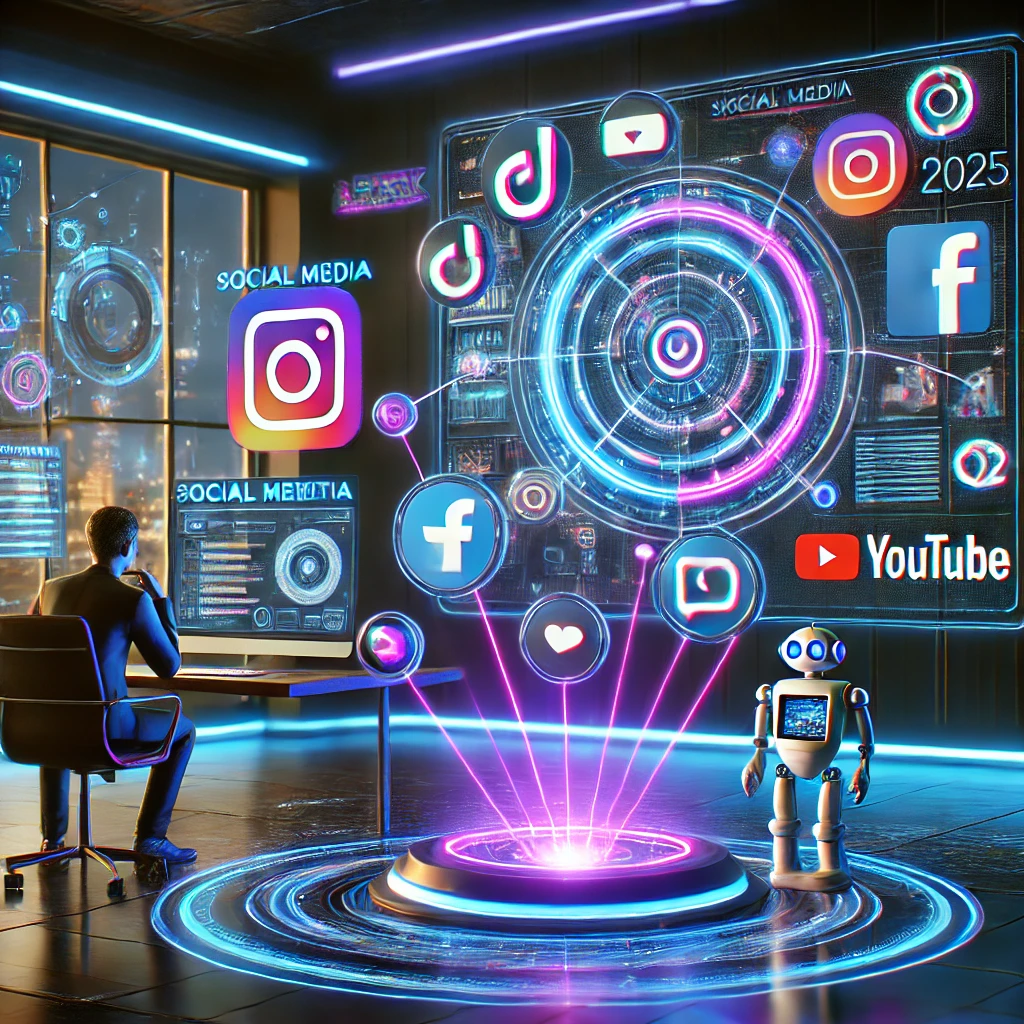
Social platforms in 2025 are now driven by AI-based algorithms that prioritize hyper-relevant, bite-sized content. Think of them like content vending machines—your audience scrolls, and the platform chooses what they’ll see next based on thousands of data points.
But you still need to create the content that connects.
What’s working now:
- Educational mini-threads and explainers
- Behind-the-scenes storytelling
- Brand transparency and vulnerability
- Interactive elements like polls and AMAs
- AI-enhanced video editing—but with real human presence
AI helps edit faster, caption better, and schedule smarter. But you bring the face, the voice, the energy. That’s the part algorithms can’t replicate.
Paid Ads Are More Automated—But Strategy is Key
Running ads in 2025 looks very different from 2020. Platforms like Meta and Google now offer almost fully automated ad optimization. You feed in the creatives and audience info, and the algorithm takes care of the rest.
But here’s the catch: AI can test faster, but it still needs a good base strategy.
You need to:
- Know your customer’s true pain points
- Understand the emotional triggers that drive conversion
- Craft ad copy that stops the scroll
- Choose creative formats that feel native, not salesy
AI gets your ads in front of the right people. But it’s your messaging that turns clicks into customers.
Brand Storytelling: The Ultimate Differentiator
With so much automation, the question becomes: what makes a brand feel real?
The answer is your story.
People want to join brands that feel authentic, human and purposeful. They want to know:
Who’s behind the business
What values you stand for
Why you started
How you treat your team and customers
Storytelling is where human marketers truly shine. And in 2025, your brand story isn’t just a nice-to-have—it’s a core part of your differentiation strategy.
Conclusion: The Human Marketer Is Still the MVP
Let’s wrap it up.
AI is here. It’s powerful. It’s not going away. But it’s not replacing marketers—it’s amplifying them.
In 2025, the best digital marketers are:
And yes, comfortable with AI tools
You do not need to be afraid of technology. You need to learn how to work with it. Automate boring. Adapt the repeatable. But keep the human touch at the core of everything.
Because in a world full of automation, the most powerful thing you can be—is real.